Station Wayfinding Systems
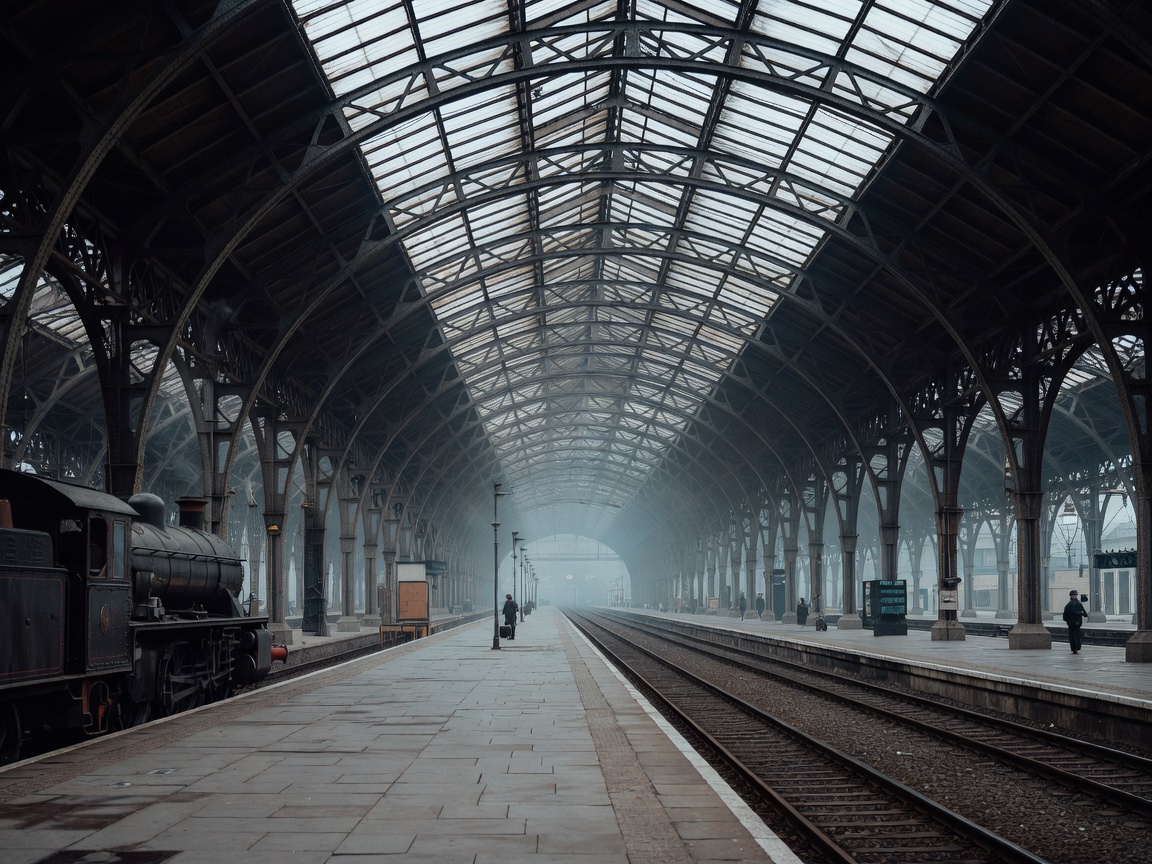
European central rail stations (known variously as Hauptbahnhof, Gare Centrale, or Stazione Centrale) are complex public interchanges handling hundreds of thousands of daily commuters. Navigating these hubs with efficiency requires familiarity with station topology, platform layout logic, and the mechanical choreography of passenger boarding.
Terminal Stations vs. Through-Stations
European railway stations fall into two fundamental structural layouts:
- Terminus Stations (Kopfbahnhof): Facilities like Frankfurt (Main) Hauptbahnhof, Paris Gare de Lyon, and Milano Centrale feature buffer stops where tracks dead-end into a single sweeping concourse. Navigating them is straightforward—walking off the platform leads directly to the main terminal hall—but transfers require trekking the full length of train consists (up to 400 meters).
- Through Stations (Durchgangsbahnhof): Modern hubs like Berlin Hauptbahnhof, Köln Hauptbahnhof, and Zurich HB feature multi-level alignments with tracks continuing straight through underneath or overhead. Transfers between levels require escalators, stairs, or elevators, making vertical wayfinding skills essential.
Deciphering Platform Composition Displays
Before an arriving train halts, passengers should consult the overhead digital platform displays or static Wagenstandsanzeiger (carriage formation charts). In Germany, Austria, and Switzerland, platforms are subdivided into alphabetical sectors (Sektor A, B, C, D). Station monitors indicate exactly where specific coach numbers (Wagennummer) and classes will align along the platform.
Positioning yourself in the correct platform sector ahead of time avoids stressful sprints down crowded boarding lanes with heavy bags.
Luggage Stowage and Onboard Constraints
Unlike commercial aviation, European trains do not have checked baggage holds. All luggage must be handled and stowed personally by passengers. Trains provide three primary stowage options:
- Overhead Shelves: Positioned directly above passenger seats. Ideal for standard airline carry-ons and soft bags, though deep winter backpacks often exceed their depth.
- Between-Seat Wedges: Two back-to-back seats frequently form an A-frame gap on the floor that comfortably accommodates slim medium-sized suitcases.
- Vestibule Luggage Racks: Located near the entry doors of each coach for heavy cases. When using these racks, keeping valuable electronics and passports in a smaller daypack by your seat is recommended.
Cross-City Station Transfers in Paris
Paris presents a unique transfer challenge: instead of a single central station, the city operates six major distinct rail termini: Gare du Nord, Gare de l'Est, Gare de Lyon, Gare Montparnasse, Gare Saint-Lazare, and Gare d'Austerlitz. Moving between lines heading north (Gare du Nord) and south (Gare de Lyon) requires navigating the RER D suburban rail or Métro Line 5 across the city center.
Always plan at least 60 to 75 minutes for any itinerary requiring a cross-Paris station change to account for platform walking distances and automated ticket turnstiles.
Next Steps in Journey Preparation
Review additional planning frameworks: