Navigating Continental Rail and Regional Crossings
Independent transit analysis for high-speed trunk corridors, international alpine routes, interchange mechanics, and integrated ticketing frameworks across Europe.
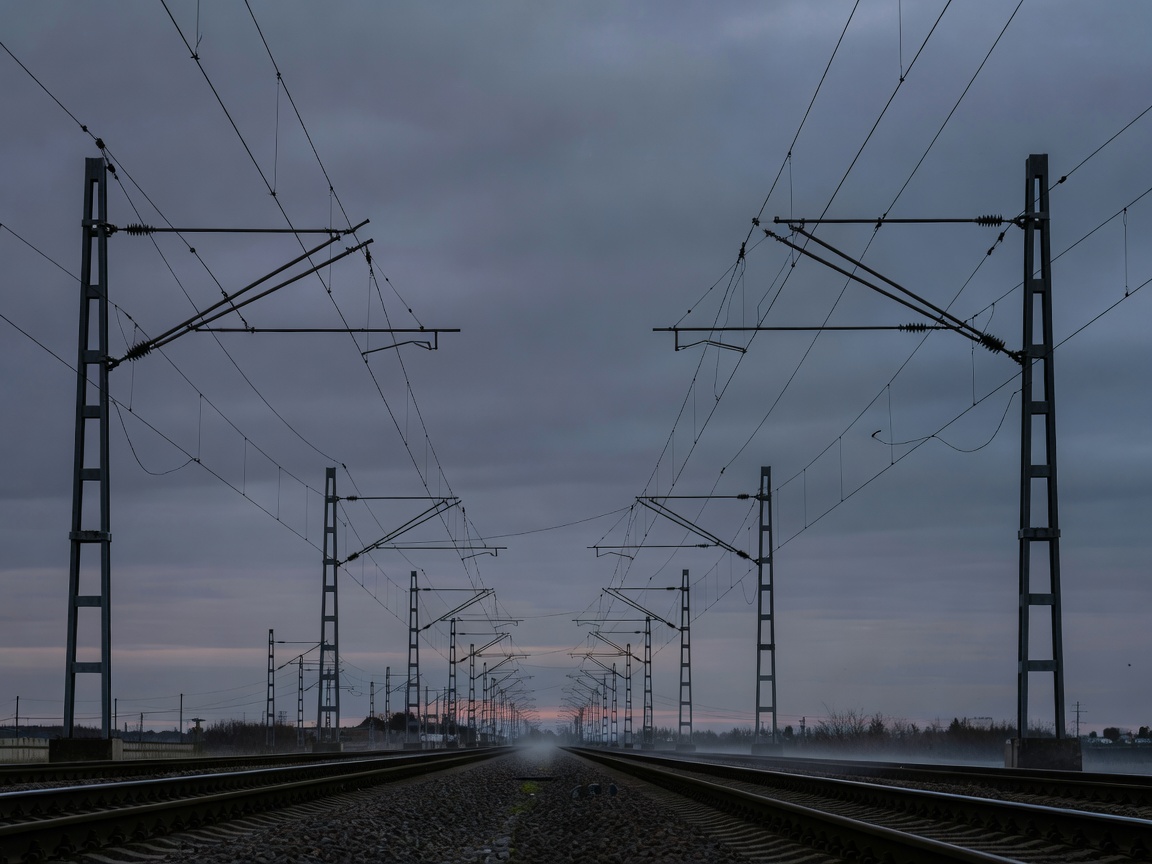
Core Transit Corridors
Continental European mobility rests upon dense physical corridors engineered over more than a century of industrial convergence. While regional rail lines feed valley networks and urban suburbs, high-capacity long-distance travel relies on standardized railway infrastructure spanning international borders. By prioritizing route geometry and schedule synchronization over superficial travel tropes, independent voyagers can construct efficient trajectories across dozens of administrative frontiers without setting foot in an airport terminal.
The continent's geography determines three primary transit channels: the flat, high-density northwestern lowlands anchored by the Rhine-Meuse deltas; the high-speed Mediterranean coastal and interior plains crossing France and Spain; and the monumental alpine barriers negotiated by modern deep-base tunnels and classical mountain rack-and-pinion passes.
High-Speed Trunk Lines
European high-speed infrastructure operates as an interdependent web of national flags and multinational partnerships. Services such as the French TGV network, Germany’s Intercity Express (ICE), Eurostar, and Italy's Frecciarossa offer cruising velocities between 250 and 320 km/h. Navigating these systems requires understanding differing technical standards, including variable overhead electrification voltages (from 15 kV AC to 25 kV AC) and train protection mechanisms like ETCS Level 2.
For cross-border transits, lines connecting Paris Gare du Nord, Brussels Midi, Amsterdam Centraal, and Frankfurt Hauptbahnhof establish the fastest continental transfers. When integrated thoughtfully, these lines outperform commercial aviation across total station-to-station journeys under five hours.
Examine detailed high-speed trunk comparisons and operator logistics →
Gotthard & Brenner Axes
From Zurich Hauptbahnhof through the Gotthard Base Tunnel to Milano Centrale, deep-mountain corridors bypass severe winter weather patterns at high velocity.
Ticketing Architecture
Decouple point-to-point dynamic yields from rail pass supplements. Unravel open-access platforms like Trainline against native DB, SNCF, and ÖBB portals.
Interchange Topology
Master multi-level platforms, luggage stowage dimensions, and 8-minute platform sprints at complex terminals like Frankfurt Hbf and Paris Lyon.
Alpine and Coastal Segments
Where high-speed trunk lines bypass terrain via bore holes, scenic mountain passes preserve traditional engineering that climbs directly along rock shelves and river gorges. The Bernina railway through the Poschiavo valley, the Arlberg line connecting Innsbruck to Bludenz, and the Semmering railway in Austria stand as testaments to historic civil engineering. These routes trade maximum commercial speed for unprecedented verticality, negotiating switchbacks, loops, and masonry viaducts that demand deliberate, scenic pacing.
"Navigating Europe by train is an exercise in structural topology: understanding where tracks descend into subterranean rock and where platforms converge under iron canopies."
Cross-Border Ticketing Logistics
Securing cross-border rail reservations is frequently complicated by fragmented carrier databases. Unlike commercial aviation’s unified global distribution systems, European national operators prioritize proprietary reservation platforms. Passengers traversing multiple jurisdictions often encounter variable booking horizons—from 90 days on Deutsche Bahn to 180 days on SNCF—and differing mandatory reservation policies.
Understanding when to purchase separate advance tickets (Sparpreis or Prem's) versus applying Eurail or Interrail global passes is essential for budget control and operational flexibility.
Urban Interchanges and Luggage
The efficiency of a multi-leg journey hinges on station interchanges. Major rail complexes like Berlin Hauptbahnhof, Zurich HB, and Milano Centrale feature multi-level track alignments, distinct concourses, and strictly timed connection buffers. Successful transfers require travelers to assess minimum connection times (MCT), understand station layout geometry, and adhere to structural luggage capacity limits that prevent bottlenecks during boarding.
Essential Route Inquiries
Before confirming cross-border schedules, consider these primary logistical factors:
1. Are compulsory seat reservations enforced on the high-speed sector?
2. Does the transfer station require a cross-city transit (such as moving between Paris Gare de Lyon and Gare du Nord)?
3. Is there an operational disruption window accounted for during international connections?
Featured Transit Queries
How does luggage inspection differ between rail and air transit?
Except for Eurostar services crossing under the English Channel and certain high-speed AVE stations in Spain, standard European domestic and cross-border trains do not implement mandatory security scans or weight checkpoints. Travelers carry their bags directly onto cars, storing them in overhead racks or designated vestibule shelves.
What occurs if a delayed international train causes a missed connection?
Under the EU Rail Passengers’ Rights Regulation (Regulation 2021/782) and the Railteam Agreement for high-speed operators, passengers traveling on a through-ticket or recognized international contract are entitled to board the next available service without purchasing a new ticket, provided the delay is certified by train or station staff.
Can bicycles be transported across all international trunk trains?
Bicycle carriage rules vary sharply. High-speed services like ICE, TGV, and Frecciarossa offer limited, pre-bookable bike hooks, while Eurostar requires dismantled carriage in specific cases. Regional trains in countries like Switzerland, Germany, and the Netherlands accommodate assembled bicycles with a nominal supplement ticket outside peak hours.